Start four to six weeks out. Handle repairs first, gather your disclosures and any historic-district paperwork early, then stage before you schedule photos. In Westover Hills, homes sold this year have moved in an average of 9 days. Even Woodland Heights, the slowest-moving of the four neighborhoods that make up this corner of 23225, still sold at 102% of list price. A home that's ready on day one gets the strongest response, no matter which of these streets you're on.

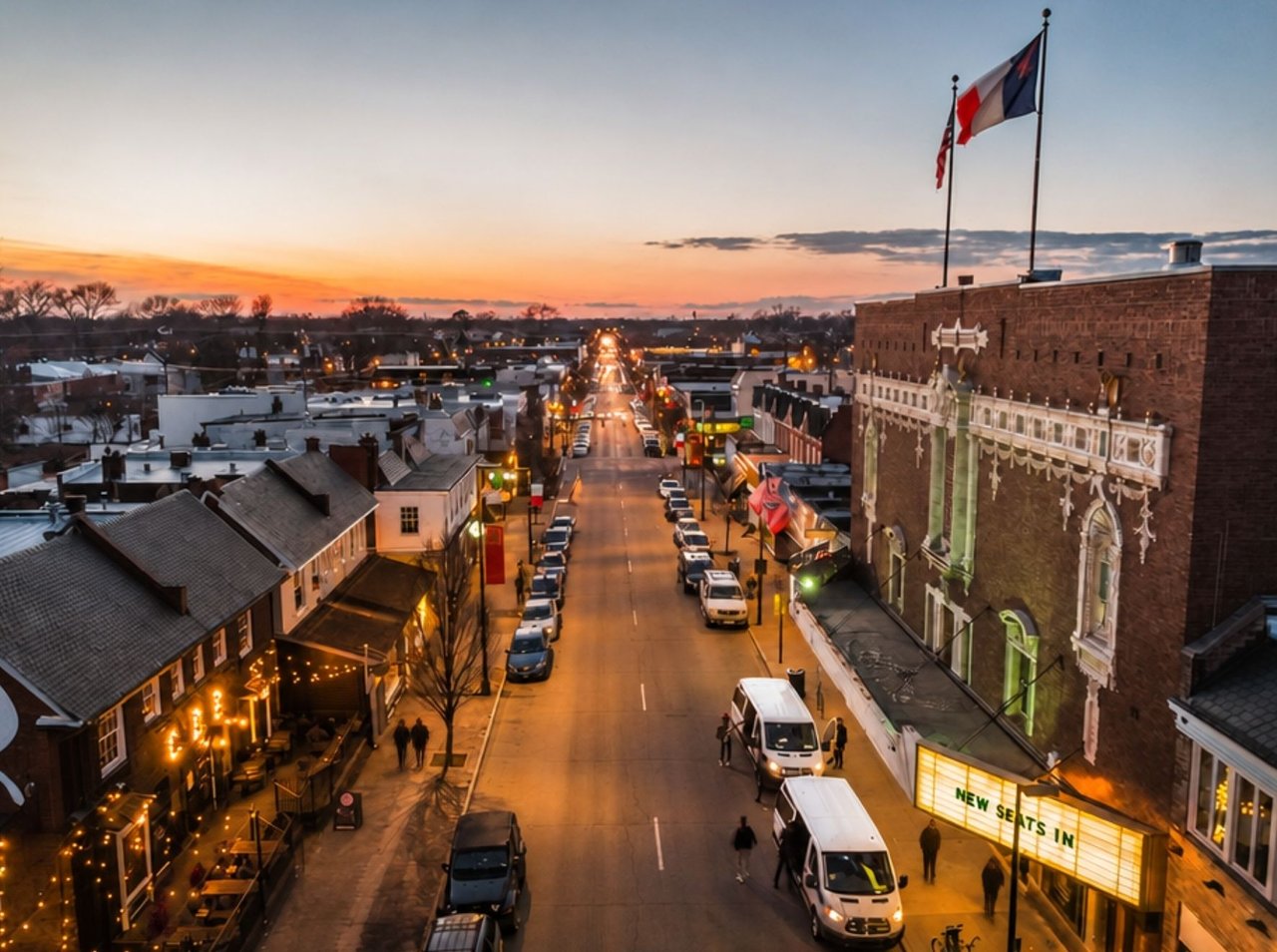
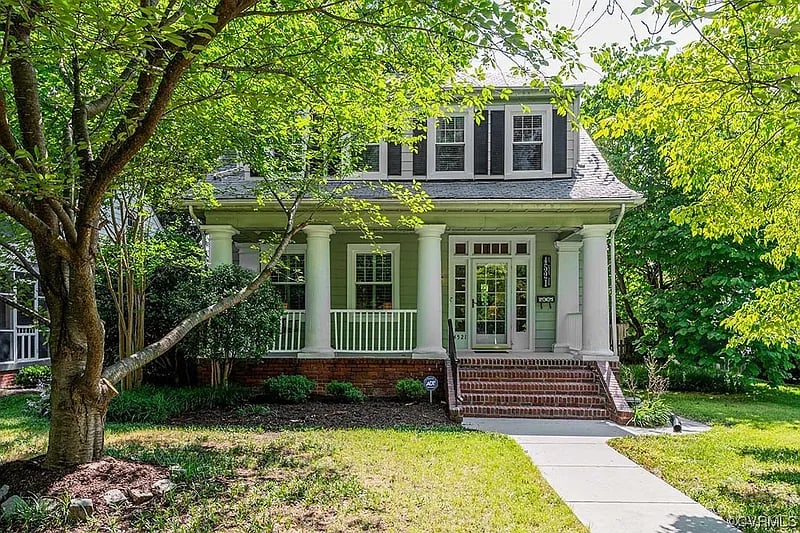
A quiet street in Westover Hills, where original character and a short walk to the James River keep buyer interest high.
I've sold homes in Richmond City for more than 25 years, and Forest Hill, Westover Hills, and Woodland Heights all reward the same discipline. The sellers who start early net more, and they do it with less stress.
What Is the 23225 Market Doing Right Now?
23225 is not one market. It's several, and the difference between them matters if you're pricing a home in Westover Hills, Stratford Hills, Woodland Heights, or Willow Oaks. Here's what actually closed in these four neighborhoods between January 1 and July 28 of this year, pulled directly from CVR MLS sold data, not a third-party estimate.
Neighborhood | Homes Sold | Median Sold Price | Avg $/sqft | Avg Days on Market | Avg Sale-to-List |
|---|---|---|---|---|---|
Westover Hills | 26 | $700,575 | $344 | 9.0 | 104% |
Stratford Hills | 26 | $632,500 | $283 | 16.3 | 104% |
Woodland Heights | 12 | $478,000 | $252 | 26.3 | 102% |
Willow Oaks | 10 | $408,500 | $255 | 19.4 | 101% |
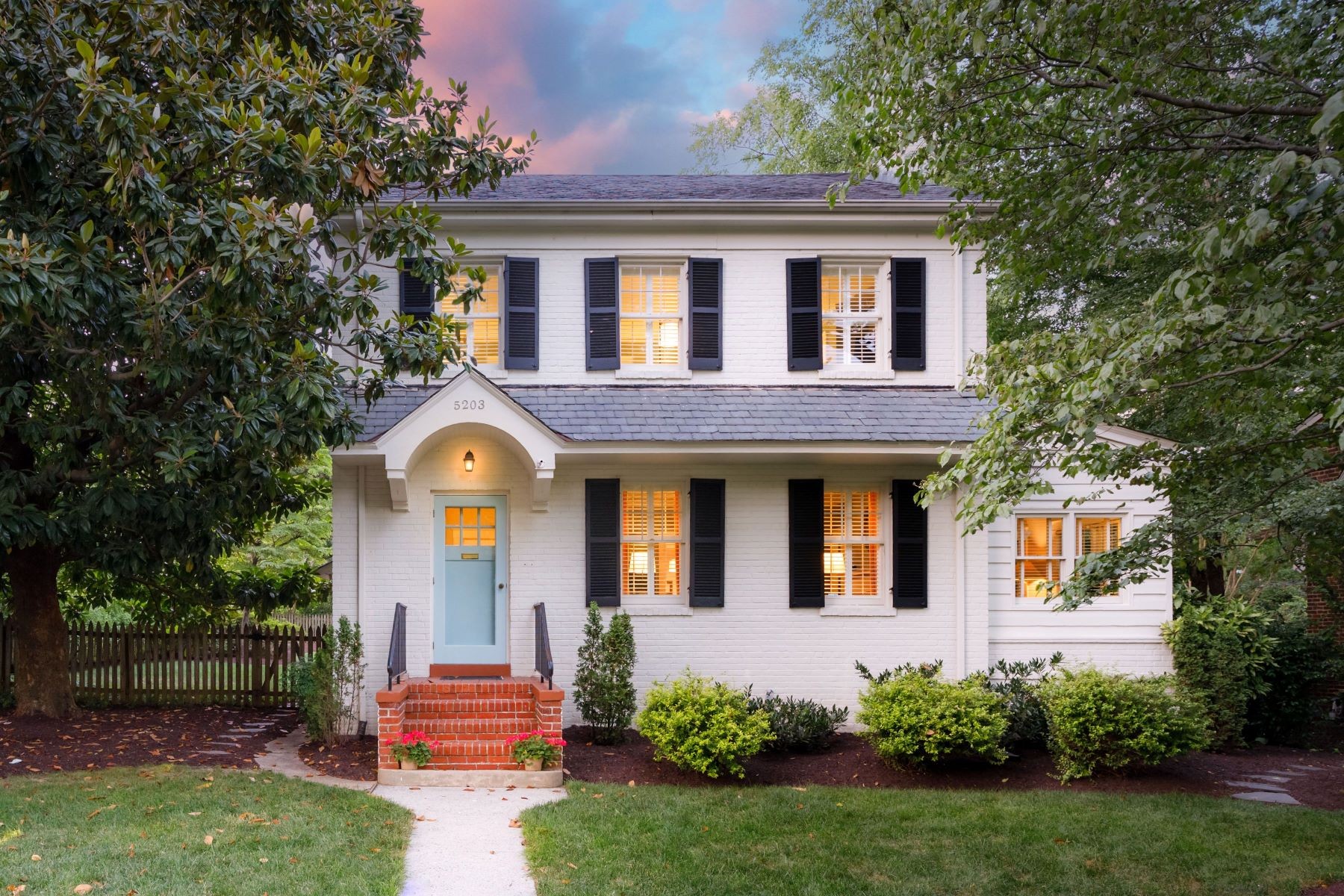
Westover Hills homes sold this year averaged just 9 days on market and 104% of list price, the fastest and strongest of any neighborhood in this corner of the city.
Westover Hills leads on every measure that matters to a seller: highest median price, highest price per square foot, and the fastest average days on market of any neighborhood in this corner of the city. Stratford Hills isn't far behind, and it posted more volume, 26 sales, at a median north of $630,000. Woodland Heights takes longer to sell on average, closer to a month, but homes there are still closing above list. Willow Oaks posted the lowest median of the four on a smaller sample, worth keeping in mind if you're pricing there.
Compare that to the rest of 23225, where current active listings carry a median asking price closer to $341,000. The gap is the point. If your home sits in Westover Hills, Stratford Hills, Woodland Heights, or Willow Oaks, your comps need to come from that neighborhood specifically. The zip-wide numbers will undersell you.
None of these numbers tell you exactly what your block will do. But together they say the same thing: this is not a market where you want to be scrambling three days before photos.
Should You Start Earlier Than You Think?
Yes. Most sellers can get ready in about a month. But if your home has repair needs, sits in one of Richmond's historic districts, or was built before 1978, which describes a large share of Forest Hill and Woodland Heights housing stock, give yourself more room.
A realistic timeline for Forest Hill and Westover Hills:
- 4 to 6 weeks out: Walk the home with me, flag repairs, pull records, set pricing strategy
- 3 to 4 weeks out: Finish cosmetic work, declutter, confirm any historic-district or condo paperwork
- 2 weeks out: Stage the key rooms, deep clean, confirm disclosures are ready
- Launch week: Photos, video, final touches, go live
If your home is already in good shape, this moves quicker. If it has original windows, an unfinished attic project, or knob-and-tube wiring waiting to be addressed, the extra weeks pay for themselves.
What Repairs Are Worth Doing Before You List?
In a neighborhood built on charm, the front porch is where a buyer's first impression starts.
Skip the overhaul. Focus on what a buyer notices in the first ninety seconds: paint, trim, flooring, and anything that reads as unmaintained. In a neighborhood full of character homes, condition matters even more, because buyers here are already paying a premium for charm and expect it to be cared for.
Richmond's Bureau of Permits and Inspections requires a permit for new construction, additions, and most structural alterations or repairs. Routine repainting and similar cosmetic work generally does not require one. If your home sits in one of Richmond's 18 historic districts, which includes parts of Woodland Heights, exterior changes may also need review from the city's Historic Preservation Office before you start. Confirm both before any pre-listing project begins.
Highest-return fixes for most Forest Hill and Westover Hills homes:
- Fresh paint where it's tired, inside and especially on trim and porches
- Repairing original woodwork rather than replacing it, buyers here notice the difference
- Flooring refresh, refinishing original hardwood where possible
- Updated lighting and hardware
- Curb appeal: mulch beds, pressure wash, tend the front porch
- Anything a buyer would flag as deferred maintenance on an older home

The details that drew you to the neighborhood are the same ones that draw a buyer's eye. Protect them before you list.
These are the projects that photograph well and survive a close look during a walkthrough, and in a neighborhood defined by its architecture, they protect the very thing buyers are paying for.
What Disclosures and Records Should You Gather First?
Virginia's disclosure process isn't a full inspection, but it does surface property-specific issues, and you want that paperwork ready before a buyer asks. For 23225 homes, that usually means records tied to age, past renovations, historic-district status, and, for streets closer to the James River, flood questions.
Items Virginia disclosures commonly touch on:
- Special flood hazard areas
- Historic district ordinances
- Resource protection areas
- Wastewater systems
- Radon
- Defective drywall
- Lead pipes
Getting disclosures and any historic-district paperwork in order early keeps things moving once you're under contract.
You don't need a file folder six inches thick. You need to know which of these actually apply to your property and have the answer ready.
If Your Home Is in a Condo Community
None of these four neighborhoods have a compulsory HOA. What you will find is a handful of condo communities scattered through the area, and those carry many of the same disclosure requirements. Virginia's Resale Disclosure Act covers condominiums the same way it covers homeowners associations: the association generally has 14 days to deliver the resale certificate after a written request, and buyers typically get a three-day right to cancel once they receive it. If your home is a condo, order that certificate early, it's one of the easiest items to let slip and one of the easiest to avoid delaying.
What If Your Home Was Built Before 1978?
A large share of Forest Hill, Westover Hills, and Woodland Heights housing predates 1978, so lead-based paint rules deserve real attention. Federal law requires disclosure of known lead hazards, along with any records you have and a chance for buyers to inspect. If your prep work involves sanding, scraping, or repainting surfaces that might carry old lead paint, use a lead-safe certified contractor.
Older homes in this part of the city usually just need clarity. Fresh paint, clean floors, original details highlighted rather than covered up. Handle the lead-paint precautions correctly and the rest of the prep is straightforward.
Do You Need to Check Flood or Drainage Details?
If your home sits near Reedy Creek, closer to the James River, or anywhere with drainage concerns, check your status before you list. The City of Richmond added roughly 180 properties to its Special Flood Hazard Area in July 2025, so a status that was accurate a couple of years ago may not be current. Both Virginia's Flood Risk Information System and the city's GIS portal can confirm where your parcel stands.
Buyers near the river or on drainage-sensitive lots tend to ask about flood insurance requirements, elevation certificates, and site drainage. The goal isn't to over-explain. It's to have the answer ready when they ask.
Does Staging Actually Help in This Market?

Forest Hill Park and the James River Park System are part of what makes this ZIP code stand out. Buyers notice the lifestyle, not just the listing.
It does, and the data backs it up. NAR's 2025 staging research found that 83% of buyers' agents said staging helps buyers picture themselves in the home, and 29% saw offers come in 1% to 10% higher because of it. The rooms that mattered most: living room, primary bedroom, dining room, and kitchen.
Where to put your energy:
- Living room: Open the layout, lighten the furniture, let the original details, moldings, mantels, built-ins, do the talking
- Primary bedroom: Calm bedding, clear surfaces, open floor space
- Dining room: A defined purpose and a clean sightline
- Kitchen: Cleared counters, bright surfaces, strong lighting
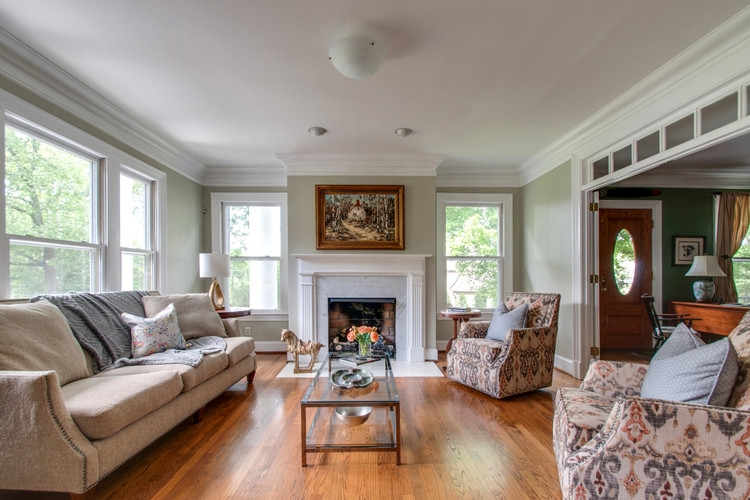
Good staging here means clearing the clutter, not the character.
Buyers touring Forest Hill and Westover Hills are often drawn to the architecture first. Staging should support that, not compete with it. If your home has a front porch, a deep backyard, or proximity to Forest Hill Park or the James River Park System, make sure those spaces are just as prepared as the living room. Around here, the outdoor life is part of the pitch.
What Should Your Showing Routine Look Like?
Once you're live, consistency is what keeps you ready without daily chaos. NAR's formula is a good one to lean on: deep clean, declutter, depersonalize, boost curb appeal, use neutral bedding and towels, clear out bulky furniture, and keep closets from looking stuffed.
Before every showing:
- Make beds, smooth linens
- Clear kitchen and bathroom counters
- Lights on, blinds open
- Pet items and daily clutter out of sight
- Trash out, check for odors
- Front porch and entry tidy, this matters more here than almost anywhere
- Closets organized, not packed
A buyer may only spend ten minutes in your house. Every one of those minutes should work in your favor.
What Happens Once You're Under Contract?
With Westover Hills and Stratford Hills homes averaging 104% of list price this year, and even Woodland Heights closing at 102%, evaluating an offer means looking past the top-line number to timing, terms, and overall strength. Once you accept, closing is the final step, where you sign the required documents and the buyer receives their Closing Disclosure with final loan and settlement figures.
Depending on the deal, your agent, title company, and lender all have a role to play as you head toward the table. Buyers review their Closing Disclosure in advance, and cash to close typically follows the closing agent's instructions. Your job at this stage is simple: stay organized, respond quickly, and keep any agreed repairs on schedule. Most of the smoothness at closing traces back to the prep work you did before your home ever hit the market.
The Bottom Line for Forest Hill and Westover Hills Sellers
Selling in Westover Hills, Stratford Hills, Woodland Heights, or Willow Oaks takes more than a sign in the yard. In neighborhoods where homes are averaging 101% to 104% of list price and, in Westover Hills, moving in a matter of days, your advantage comes from the steps buyers never see: the repairs handled early, the permits and historic-district questions checked, the disclosures ready, the staging done in a way that honors the architecture instead of hiding it.
Get those pieces in place and your home hits the market looking finished, not rushed. That's what turns interest into an offer.
If you're thinking about listing in Forest Hill, Westover Hills, or Woodland Heights and want a plan built around your home, your street, and your timeline, reach out and let's talk through it.
FAQs
How long does it take to prepare a home for listing in 23225?
Most sellers need about a month. Homes with repairs, historic-district considerations, or pre-1978 lead concerns should start earlier.
What repairs are worth doing before listing a home in Forest Hill or Westover Hills?
Cosmetic and safety-focused work first, paint, trim, flooring, and original woodwork repair. Larger structural changes may require a City of Richmond permit, and homes in a historic district may need additional review.
Does a condo community affect the listing timeline in this part of 23225?
None of these four neighborhoods have a compulsory HOA, but several include condo communities, which carry similar disclosure requirements. If your home is a condo, order the resale certificate early. The association generally has 14 days to deliver it, and buyers get a three-day cancellation window after receipt.
What should sellers know about flood questions near the James River?
The City of Richmond expanded its Special Flood Hazard Area in 2025. Check your parcel's current status through Virginia's Flood Risk Information System or the city's GIS portal before listing.
What if my Forest Hill or Woodland Heights home was built before 1978?
Lead-based paint disclosure rules apply, and a large share of the neighborhood's housing predates that year. Use a lead-safe certified contractor for any repair work that might disturb old paint.
Does staging really help a home sell in 23225?
Yes. NAR's 2025 research found staging helps buyers visualize the home and can support stronger offers, which matters even more in a neighborhood where architecture is the draw.
How much do home prices vary within 23225?
Significantly. Sold data from January through July of this year shows Westover Hills at a $700,575 median, Stratford Hills at $632,500, Woodland Heights at $478,000, and Willow Oaks at $408,500. Always price off comps from your specific neighborhood, not the zip code as a whole.