If you've ever looked at a Richmond rowhouse or duplex and thought, could this place help pay for itself?, you're not alone. In Central Richmond, a lot of buyers are drawn to the idea of living in one part of a property while renting another, or using a small multi-family building to offset monthly costs. It's a smart instinct. The key is knowing where the opportunity is real, where the rules matter most, and how to evaluate a property without rose-colored glasses.
Why Central Richmond works for house hacking

Central Richmond has a mix that makes house hacking worth a serious look. You've got older urban housing stock, steady rental demand near downtown, and property types that can fit more than one living arrangement depending on the parcel.
This is especially relevant near VCU and in historic neighborhoods like Church Hill. Church Hill is the city's oldest intact neighborhood and includes double houses and rows of similar houses that lend themselves naturally to multi-unit use. At the same time, VCU's off-campus housing portal shows active demand for duplexes, townhomes, apartments, and room-by-room rentals near the Monroe Park campus.
For buyers, that means the strategy isn't just theoretical. In the right location, there's a real pool of renters looking for housing close to campus and the city center. The demand side of the equation actually checks out.
House hacking options in Central Richmond
Richmond's zoning code recognizes several residential use types, including single-family detached, single-family attached, two-family, multifamily, lodginghouse, and accessory dwelling unit uses. That gives buyers a few different paths, but each one needs to be verified at the parcel level before you start making assumptions.
Duplexes and small multifamily
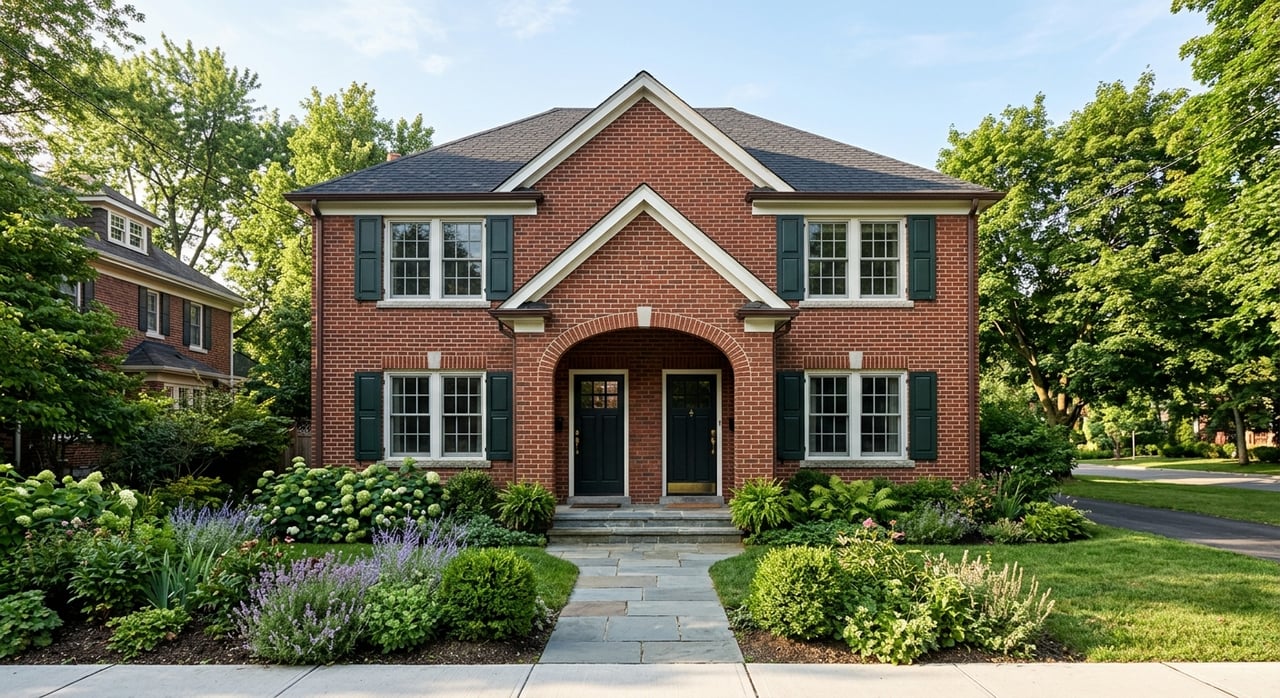
A duplex is often the most straightforward version of house hacking. Richmond defines a two-family dwelling as a building with two dwelling units, which fits the classic live-in-one, rent-the-other setup. It's clean, it's simple, and buyers can usually underwrite it with reasonable confidence.
Triplexes and other small multifamily properties can also work, but they bring more moving parts. Richmond defines a multifamily dwelling as a building with three or more dwelling units, so you may be looking at a different level of management, maintenance, and underwriting complexity.
Near VCU, the existing housing stock supports this. Current off-campus listings include duplex townhomes in Randolph and Byrd Park, shared-housing options, and apartment-style units near West Cary, West Leigh, and West Clay.
ADUs and basement apartments

Another option is creating or buying a property with an accessory dwelling unit, often called an ADU. Richmond defines an ADU as a subordinate dwelling unit on the same lot of record as another dwelling unit, and it can be located in the main building or in an accessory building out back.
In practical terms, that means some Central Richmond properties may support a basement apartment, an interior conversion, or a rear-lot unit. But that possibility is never automatic. It has to be checked based on the specific parcel, the current legal use, and any review or permit requirements that apply.
This approach fits naturally with parts of Richmond's historic fabric. Historic Richmond's own design study for the city's old and historic districts presents a rear accessory unit as a way to add density and help cover the mortgage on the main house. So the concept isn't new here. It's actually part of the neighborhood DNA.
Room rentals need extra caution
Some buyers picture house hacking as renting out extra bedrooms in a single house. That can be viable in some places, but in Richmond, this is where the definitions get tricky.
The city defines a lodginghouse as a building with lodging units occupied by more than two persons. Separate rental agreements, exterior locks on interior doors, separate entrances, or common areas used as sleeping areas can all be treated as prima facie evidence of lodginghouse use. That's a meaningful distinction, and it's one that can catch buyers off guard.
Richmond also distinguishes a dwelling unit from short-term occupancy. A dwelling unit is not available for occupancy for less than one month, while a short-term rental is defined as lodging for at least one but fewer than 30 consecutive nights. There's also an accessory lodging unit category: a room inside a single-family dwelling with internal access and no cooking or refrigeration facilities, occupied for one month or longer.
The takeaway is simple: renting a full apartment and renting bedrooms are not the same thing under the code. If your plan involves room-by-room rentals, get clear on what that means legally before you close.
What to verify before you buy
With house hacking, the smartest first step is not dreaming up rent numbers. It's confirming what the property actually is and what the city record says it can support.
Start with parcel-level records
Richmond's real property search tool can help you check address-based details like land use, year built, number of units, and whether the property record shows a basement, attic, or rehabilitation flag. This is how you tell the difference between a true duplex or multifamily property and a single-family home that may have been altered informally over the years.
That matters because a layout that looks like two units doesn't always mean the property is recognized that way in public records. A buyer should never assume an existing setup is legal just because it's physically there. I see this more often than you'd think.
Watch for historic-review overlays

In Central Richmond, especially in and around Church Hill, historic review can be a major factor. Richmond's charter authorizes design overlay districts with review for exterior changes visible from public rights-of-way, and Church Hill is a local historic district.
So even if zoning allows a residential use, exterior work tied to your rental plan may still need review. That could include new stairs, window changes, rear additions, facade work, or other visible modifications. Plan accordingly.
Remember that zoning is only part of the picture
A property can be zoned for residential use and still require more due diligence before it's ready for a rental setup. Richmond adopts the Virginia Uniform Statewide Building Code, and the Virginia Residential Landlord and Tenant Act applies to most residential rental properties in the state.
In plain English, that means a good house-hack candidate needs to work on three levels: zoning, building-code compliance, and rental-law practicality. If one of those pieces doesn't fit, the numbers can unravel fast.
How to estimate rent realistically
The rent story in Richmond can look promising, but broad averages only get you so far. You need a layered approach.
The U.S. Census Bureau lists Richmond city's median gross rent at $1,372 for 2020 through 2024. HUD's FY2025 data for the Richmond metro shows $1,488 for a one-bedroom, $1,711 for a two-bedroom, and $2,166 for a three-bedroom. VCU's current off-campus portal shows nearby asking rents ranging from about $675 to $820 per bedroom, around $1,070 for a one-bedroom, and roughly $2,400 to $3,300 for three-bedroom units.
Those numbers are useful for context, but they're not your underwriting answer. A duplex near VCU can perform very differently from a similar property farther from campus, and a room-rental model should be analyzed differently from a full-unit lease.
When you run the numbers, focus on net rent, not just the top-line number. Include taxes, insurance, utilities, maintenance, and a vacancy cushion so your budget reflects real ownership rather than best-case optimism. The buyers who get burned are almost always the ones who underwrote to perfection.
How to assess rehab scope and risk

Older Central Richmond properties often have great character, but character and simplicity are not the same thing. If you're shopping in Church Hill or another historic area, it helps to think like an owner and an operator at the same time.
Historic Richmond's guidance for old and historic districts says new work should be compatible with the historic setting rather than simply copied. Combined with Richmond's building-code framework, that points to a practical reality: renovation plans may need more care than buyers first expect.
Look closely at the high-impact items
Before you get attached to a property, pay close attention to the parts of a conversion that can affect cost and timing the most: systems like electrical, plumbing, and HVAC; moisture management in basements and lower levels; egress and safe access for any separate living space; exterior changes that may trigger historic review; and whether the existing layout matches the legal use on record.
This is why an inspection-first mindset matters. In older housing stock, the biggest expense is often not the cosmetic work you can see. It's the code, moisture, or access issue you uncover later. Better to know that before you're under contract than after you've closed.
A smart buying approach for Central Richmond
If you're serious about house hacking in Central Richmond, the best strategy is a calm, step-by-step one. The opportunity is real, but so is the need for discipline.
A practical buying process usually looks like this: First, identify the property type you actually want, whether that's a duplex, small multifamily, ADU candidate, or room-rental setup. Then verify the parcel record, current use, number of units, and basic property facts. Check whether historic-review rules may affect exterior changes. Estimate rent using neighborhood-specific comps, not just citywide averages. Build in realistic ownership costs, vacancy, and rehab budget assumptions. And finally, confirm that your intended use doesn't drift into a different category, especially with bedroom rentals.
For many buyers, this kind of purchase is both personal and financial. You're not just buying a place to live. You're buying a property whose design, location, and legal status all shape the outcome.
In the right part of Central Richmond, a well-chosen duplex, small multi-family property, or ADU-capable home can offer real flexibility and help offset your monthly costs. The buyers who do best are usually the ones who stay curious, verify details early, and underwrite conservatively. (Honestly, that's good advice for any real estate purchase, but it's especially true here.)
Thinking about house hacking in Central Richmond?
I can help you look past the listing photos and focus on what actually fits your goals.
Let's talk. Call Shannon Harton.FAQs
What does house hacking mean for buyers in Central Richmond?
House hacking usually means you live in one part of the property and rent out another part, like a second unit, an ADU, or in some cases bedrooms, depending on the property and local rules.
What property types support house hacking in Richmond?
Richmond's code includes two-family dwellings, multifamily dwellings, accessory dwelling units, and lodginghouse uses, but what works for you depends on the specific parcel and how the city classifies the property.
What should buyers check before buying a duplex in Central Richmond?
Confirm the parcel record, legal number of units, land use, year built, any basement or attic details, and whether the property may also be subject to historic-review requirements.
What is the difference between a duplex and a multifamily property in Richmond?
Richmond defines a two-family dwelling as a building with two dwelling units, while a multifamily dwelling is a building with three or more dwelling units.
Can buyers create an ADU or basement apartment in Central Richmond?
Some properties may allow an ADU, basement apartment, or rear-lot unit, but these are never automatic and should be verified parcel by parcel based on zoning, records, and any required review.
Why do room rentals need extra review in Richmond?
Richmond treats room-by-room rental patterns differently in some cases. Features like separate rental agreements, locks on interior doors, or separate entrances may point to lodginghouse use rather than a standard dwelling-unit setup.
How much rent can a house-hack property bring in near VCU?
Citywide and regional data offer a starting point, but the most reliable estimate comes from nearby comparable rentals, because location, unit type, and lease structure can change rent potential significantly.
Why do historic districts matter for house hacking in Central Richmond?
In areas like Church Hill, exterior changes visible from public rights-of-way may need review, so a property that seems suitable for conversion may still require added approvals before work begins.