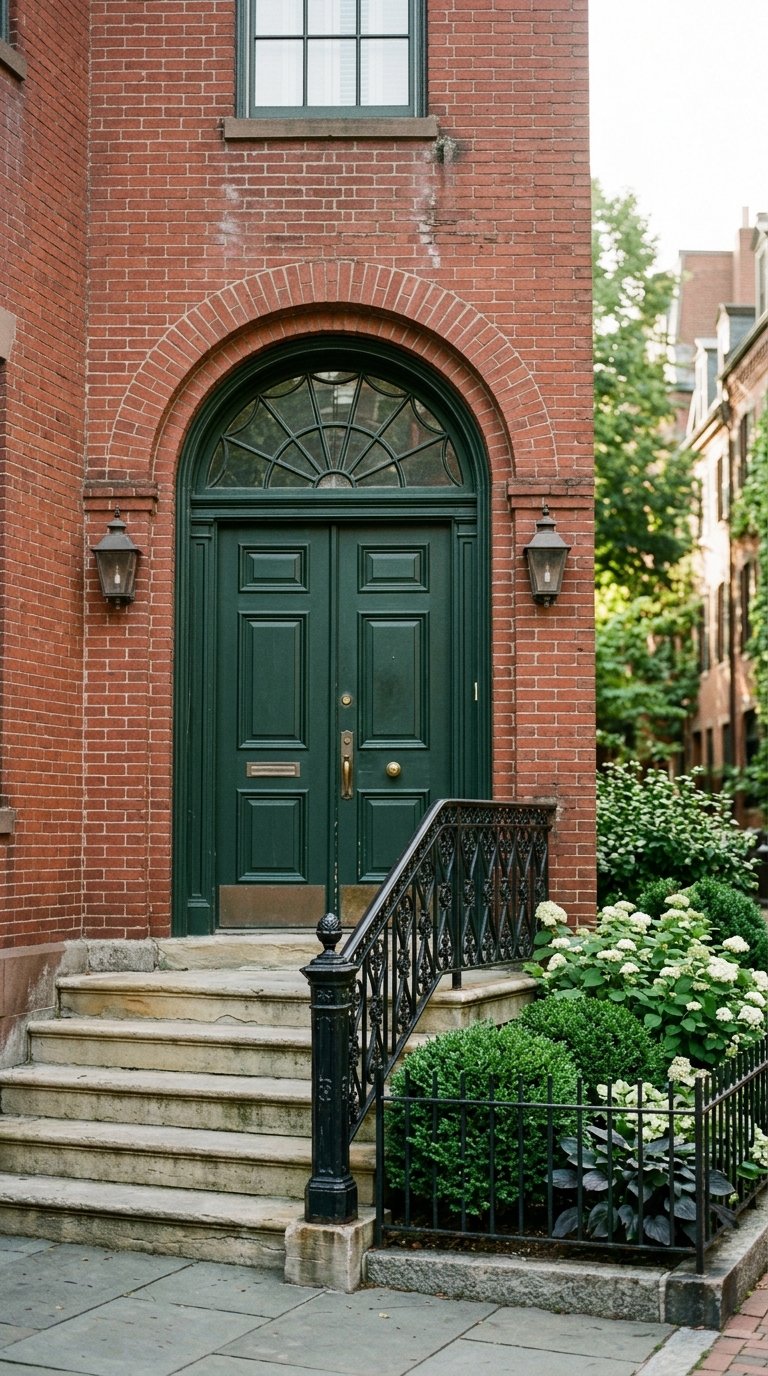
Selling a historic rowhouse in Richmond's Fan or Museum District is not your standard transaction. It's also not as complicated as some people make it sound. What it does require is a thoughtful approach, solid preparation, and a willingness to treat the home's history as an asset rather than a liability.
Buyers in these neighborhoods tend to be drawn to the porches, the brickwork, the rooflines, and the period details that give these blocks their character. But they also want clarity about condition, approvals, and what it actually means to own a home in a locally regulated historic area. If you're thinking about selling, the goal is to pair your home's charm with a clean, well-documented story that holds up under scrutiny.
Why these neighborhoods sell differently

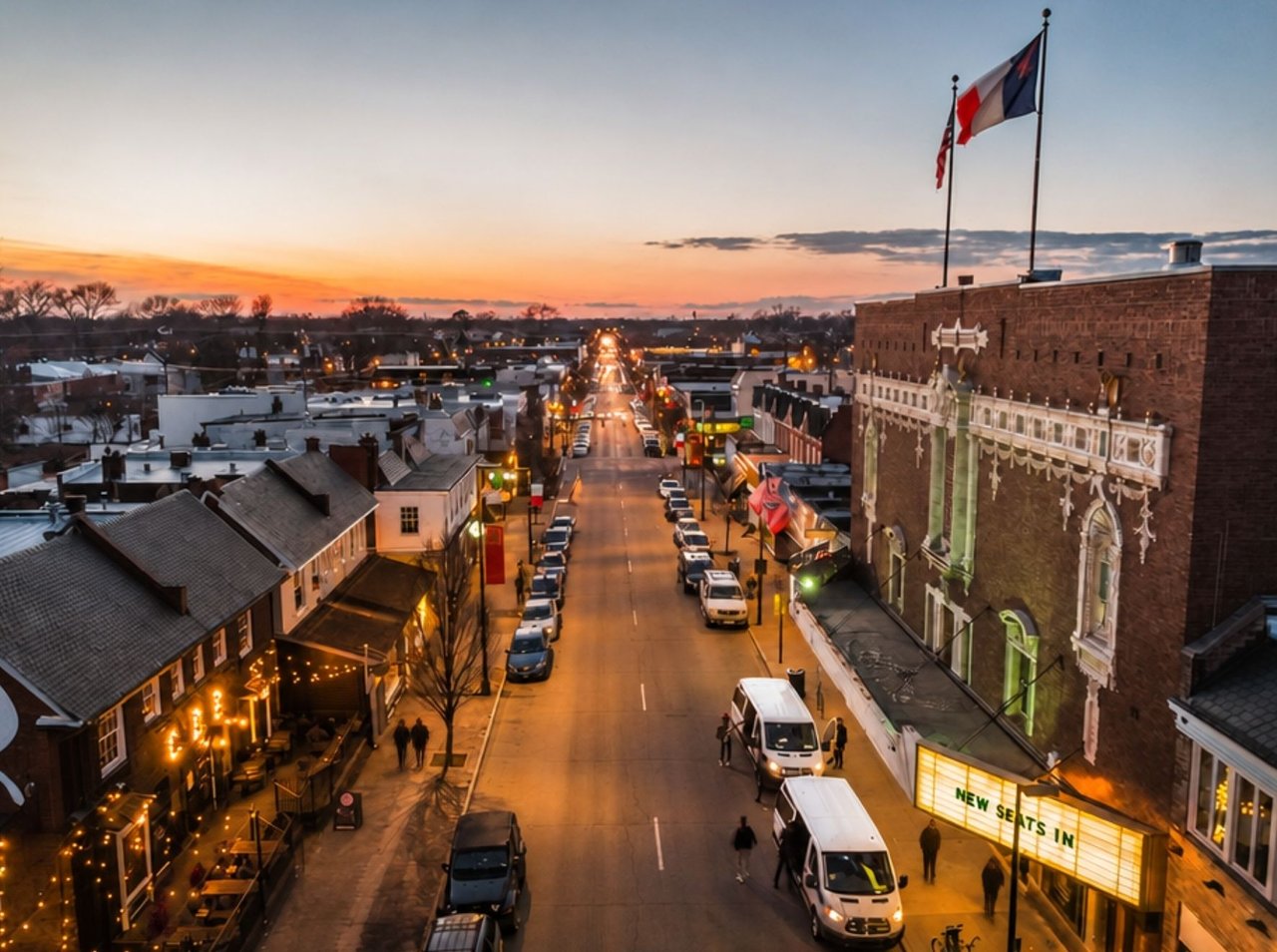
The Fan and Museum District are not generic old-home markets. The Fan Area Historic District covers nearly 100 city blocks and includes more than 2,000 buildings, shaped by uniform heights and setbacks, compatible materials, tree-lined streets, varied rooflines, and a wonderful range of porch styles. If you've ever walked these blocks, you know the feeling. There's a rhythm to them.
The Museum District (formally the West of the Boulevard Historic District) developed rapidly between 1895 and 1943, covering about 69 blocks with more than 1,700 contributing buildings. You'll find a concentration of attached two-story brick townhouses, many with front porches, and a large share of homes dating from 1910 to 1930.
That consistency is what makes these neighborhoods so appealing, and it's also what makes buyers compare one home closely against the next. They're not just looking at charm. They're looking at condition, documentation, and how thoughtfully the property has been maintained over the years.
Understand local historic district rules
:max_bytes(150000):strip_icc()/RichmondFanDistrict-0f0e072fbc344db7b022ede903b96586.jpg)
One of the biggest sources of confusion for sellers (and honestly, for some agents) is the difference between a local historic district and a state or federal historic designation. In Richmond, that distinction really matters.
Local Old and Historic Districts fall under the Commission of Architectural Review, commonly called CAR. State and federal listings through the Virginia Landmarks Register or the National Register of Historic Places are largely honorific on their own and don't automatically trigger the same review requirements.
For sellers in the Fan or Museum District, this matters because buyers will ask whether exterior work required approval. Richmond has roughly 4,006 properties under CAR jurisdiction, so this is far from a niche issue. It's a practical part of getting your home ready for market.
What CAR may affect
If your home is in a local district, visible exterior changes may require CAR approval depending on scope. That can include additions, replacement windows or doors, siding, roof materials, fences or walls, and even paint color. Smaller exterior projects like porch decking, handrails, porch rails, porch roof replacement, and exterior storm windows may still require an application and staff review.
I'm not telling you this to scare you. I'm telling you because the sellers who know this upfront are the ones who sell with confidence.
Start pre-listing due diligence early
Historic home sales go more smoothly when you start the paper chase before the listing goes live. Waiting until a buyer asks for records creates stress, delays, and unnecessary doubt at exactly the wrong moment.
Virginia's Residential Property Disclosure Act says the owner makes no representations or warranties about the property's condition. It also directs buyers to do their own due diligence on whether a local historic district ordinance affects the home and what approvals may be needed before making changes. That's the legal framework, and it's buyer-friendly by design.
But "no representations" doesn't mean "stay vague." The best strategy is to be organized, accurate, and proactive about what you do know. The sellers I've seen get the strongest results are the ones who show up prepared.
What to gather before listing
A strong pre-listing file might include CAR approvals for exterior work, building permits for major construction or system changes, invoices or receipts for completed projects, dates or ages of major systems (if known), maintenance history, and any available lead-based paint records or reports.
When you can clearly show what's original, what's been replaced, and what approvals were obtained, you make it easier for buyers to understand the home and for appraisers and lenders to evaluate it. That clarity translates directly into smoother closings.
Be careful with pre-listing repairs
Refreshing a historic home before sale can absolutely help. But the wrong project can create more problems than value. In Richmond, older homes need a smarter approach, not just a faster one.
Virginia's building code requires permits for major construction, demolition, structural work, and system changes. Permits may also be required for replacement siding, roofing, and windows in buildings located within a locally designated historic district. And if the work disturbs older painted surfaces, lead safety becomes a real concern. The federal Lead-Based Paint Disclosure Rule applies to most housing built before 1978, and renovation, repair, or painting in pre-1978 homes can create lead dust.
Before you replace or alter visible exterior features, take a beat and confirm whether approvals are needed. This is especially important for windows, exterior doors, roof materials, porch elements, siding, and painted exterior surfaces. For any work that might disturb lead-based paint, using lead-safe trained professionals helps reduce risk and keeps your paperwork clean.
A rushed cosmetic update is rarely worth it if it creates documentation gaps or raises the kind of buyer concerns that slow a deal down.
Price and present the home with credibility

Historic homes inspire emotional reactions. That's part of the fun. But pricing still needs to stand up to the market. A beautiful facade and original detail can absolutely support demand, yet they don't replace the role of condition, comparable sales, and documentation.
An appraisal is an independent opinion of value based on the home's condition, characteristics, location, market trends, and recent sales of similar properties. In the Fan and Museum District, where homes may look cohesive from the street but differ significantly inside, those details carry real weight.
This is exactly why documentation matters so much. A well-prepared seller file supports the story behind the price, especially when the home has meaningful updates, approved exterior work, or a clear maintenance history. The homes that sell at the strongest numbers tend to be the ones where the story and the paperwork match.
What supports pricing best
The strongest pricing story usually includes recent comparable sales with similar scale and condition, clear records of improvements, permit and approval documentation when applicable, and honest presentation of deferred maintenance or older systems.
Buyers don't expect a century-old home to behave like new construction. They do expect transparency. (And frankly, the ones shopping in these neighborhoods respect it.)
Market the charm without overstating condition
In these neighborhoods, good marketing is part editorial and part technical accuracy. The best listing copy captures the home's visible character while staying grounded in what you can actually verify.
The Fan and Museum Districts offer strong, factual language to work with: attached brick forms, front porches, consistent setbacks, varied rooflines, tree-lined streets. That's a gift for a listing description. You don't need to oversell when the bones are this good.
Where I see sellers (and agents) get into trouble is with words like restored, renovated, or turnkey. Those are powerful words, and they're most credible when they're backed by permits, approvals, and a current understanding of the home's systems and condition. If you can back them up, use them. If you can't, find language that's more precise.
Better ways to describe a historic home
Instead of leaning on broad claims, focus on specifics: the brick rowhouse form, front porch details, original features that are still present, documented updates, exterior work completed with approvals, and thoughtful maintenance over time. This kind of marketing builds trust. It also attracts buyers who appreciate both design and due diligence, and those tend to be the buyers who close.
Expect savvy buyer questions
Buyers in the Fan and Museum District tend to come in informed, and their questions are usually reasonable. They want to know not just what the home looks like, but what ownership will actually involve after closing.
The most common questions include: Is the property in a local historic district? What exterior work might need approval? Have lead-based paint disclosures been handled correctly? What changes to the home were permitted? If you can answer those questions early and clearly, the transaction tends to feel smoother from the very start.
This is where a strong selling process pays dividends. Thoughtful preparation, staging, photography, and pricing get attention. But a clean paper trail is what keeps that momentum going once buyers start digging deeper.
Selling with a plan
A historic home in the Fan or Museum District deserves more than a standard listing checklist. It needs careful prep, smart positioning, and a marketing approach that highlights architecture and lifestyle while staying firmly rooted in facts.
That's where a boutique, hands-on strategy can make a real difference. When staging, presentation, buyer communication, and transaction management all work together, your home is better positioned to stand out for the right reasons.
If you're thinking about selling in the Fan or Museum District, I'd love to help you build a polished, well-documented plan that respects your home's history and supports a confident sale. Let's talk.
FAQs
What makes selling a historic home in Richmond different?
Historic homes in the Fan and Museum District involve extra attention to documentation, exterior approvals, disclosures, and accurate marketing, especially when the property falls within a local district under CAR jurisdiction. It's not harder, it just requires more intentional preparation.
What is the difference between local and national historic designation in Richmond?
Local Old and Historic District designation is what triggers CAR review requirements. State and federal historic listings are largely honorific on their own and don't create the same obligations.
What exterior changes may need CAR approval in the Fan or Museum District?
Visible exterior changes like additions, replacement windows or doors, siding, roof materials, fences, walls, and paint color may require CAR approval. Some smaller projects may still need staff review.
What disclosures matter when selling an older Richmond rowhouse?
For most homes built before 1978, sellers must comply with federal lead-based paint disclosure requirements. Virginia law also directs buyers to investigate whether local historic district rules affect the property.
What records should historic home sellers gather before listing?
Helpful records include CAR approvals, building permits, invoices for completed work, maintenance history, known system ages, and any available lead-based paint records or reports.
How should a historic home in Richmond be marketed?
The most effective marketing focuses on visible, verifiable features like brick architecture, porches, rooflines, and documented updates. Avoid broad condition claims unless they're supported by records and approvals. Let the home speak for itself.