Richmond has allowed a backyard cottage, garage apartment, or in-law suite on nearly every residential lot since September 2023. Most of the Fan is listed on the National Register of Historic Places, which puts no design limits on private owners. Lots inside the City's Old and Historic Districts on Monument Avenue, West Grace Street, and West Franklin Street are different. There, any exterior change visible from the street, a new ADU included, needs a Certificate of Appropriateness from the Commission of Architectural Review.
Sooner or later, almost every Fan buyer I work with walks out the back door, looks at the yard or the old carriage house off the alley, and asks the same thing. Could this pay part of the mortgage? Fair question. Some of those carriage houses have been freeloading since 1910. 😄 The honest answer starts with an address check, because two rowhouses a few blocks apart can face very different paths to the same 500-square-foot cottage.
I've helped buyers and sellers in the Fan, the Museum District, and Church Hill for more than 25 years, and this question comes up far more often since the ADU law passed. Most people know the Fan is "historic." Far fewer know Richmond has two kinds of historic, and only one of them gets a say in what you build.
The Law Everyone Heard About

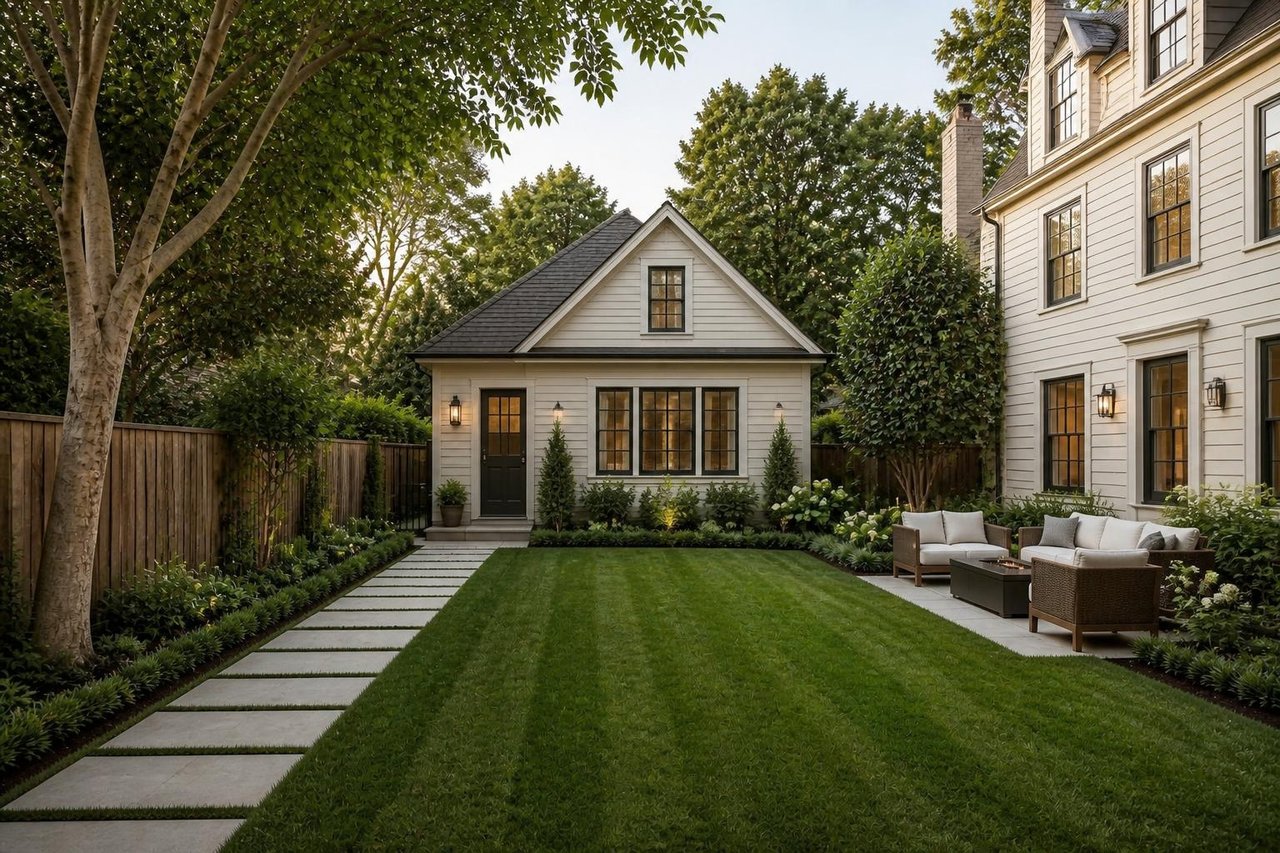
Simple, repeatable, and quick to permit. South Richmond is where most of the city's new backyard cottages are going up.
City Council adopted Richmond's ADU ordinance on September 25, 2023. The rules are short. One accessory unit per lot, on the same lot as a single-family home, capped at a third of the main house's floor area or 500 square feet, whichever is larger. Council had already scrapped citywide parking minimums that April, so a new cottage doesn't need its own parking space.
It's working. Just not evenly. By early June 2026, The Richmonder reported the city had issued building permits for nearly 117 ADUs. Close to half belong to one developer, Frank Cava, who is building them behind rental homes he already owns in South Richmond and hopes to reach 100. His first unit on the rental market, a two-bedroom, 500-square-foot cottage on Fairfax Avenue off Richmond Highway, is listed at $1,609 a month.
You won't see that pace behind Fan rowhouses. Some of the reasons come down to geometry. Some come down to which block you're on.
Two Kinds of Historic, and Only One Reviews Your Plans

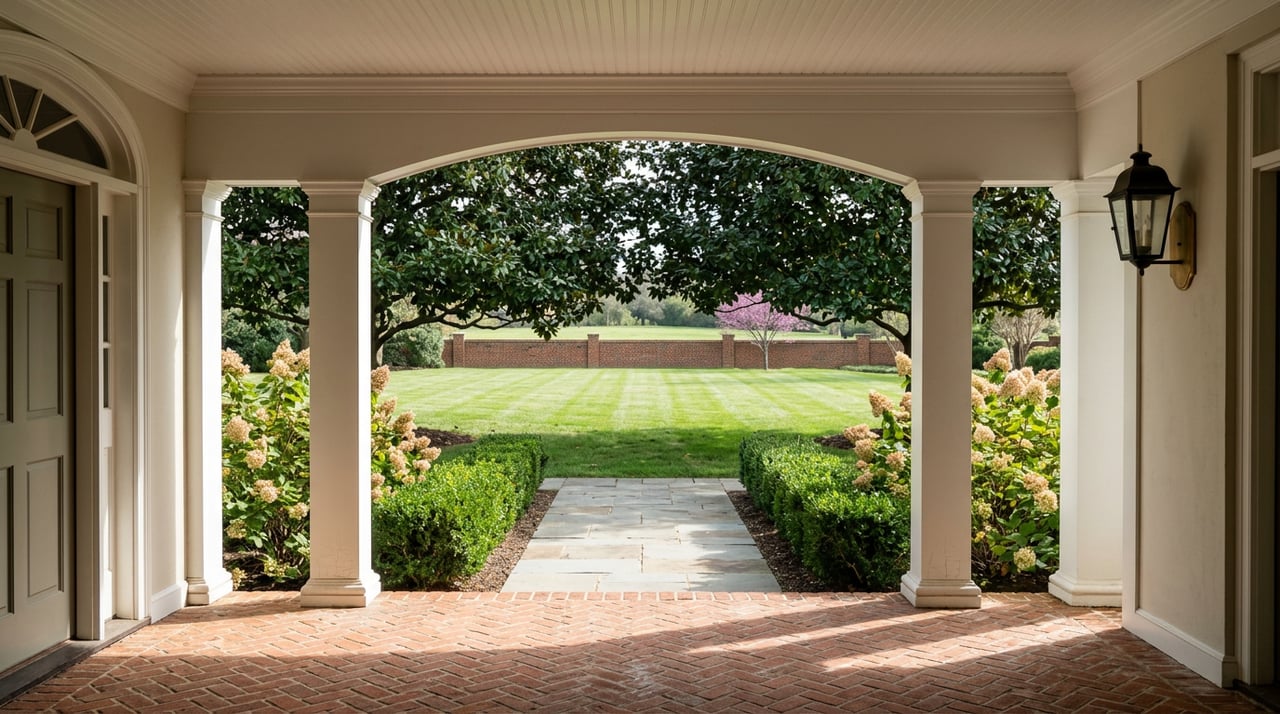
Monument Avenue sits inside a City Old and Historic District. Change what the sidewalk sees here, and the Commission of Architectural Review gets a vote.
The Fan Area Historic District covers about 228 acres and has been on the National Register of Historic Places since September 12, 1985. That listing is an honor, and a useful one (more on tax credits below). It doesn't restrict what a private owner does to their house.
The restrictions come from a separate, local layer called City Old and Historic Districts. These are zoning overlays. Inside them, the Commission of Architectural Review, created by City Council in 1957, reviews exterior changes visible from a public right of way. Nothing on that list moves forward without a Certificate of Appropriateness, and the city wants it in hand before other permits.
In the Fan, that local layer covers Monument Avenue, West Grace Street, and West Franklin Street. Most of the side streets in between sit outside it. The Fan District Association has worked for years toward some added protection for the rest of the neighborhood, mostly aimed at demolition and new construction, but today most Fan blocks have no local design review at all.
In Richmond, "historic" can mean an honor or a hearing. The map tells you which one you're buying.
What Each Kind of Fan Lot Means for a Backyard Unit

Most Fan side streets are on the National Register. The history is honored, and your building permit skips the design hearing.
National Register only. This is most of the Fan. A new ADU needs a building permit and has to fit the lot's zoning, the same as anywhere in the city. No design hearing. That also means your neighbor's project gets no design hearing, which some buyers love and some don't.
Inside a City Old and Historic District. Everything above, plus CAR. Some minor items can be handled by staff, but new construction, a detached cottage included, goes to the full Commission, which meets monthly. Its guidelines look at scale, materials, placement, and how the new building sits next to the old one. Plan for drawings, a meeting cycle, and the chance of a round of revisions.
Right on the line. District lines follow specific parcels, not neighborhood names. A house facing Monument Avenue and the one around the corner can land on opposite sides. Look up the exact address on the city's Old and Historic Districts map (Historic Richmond links it here), or call CAR staff before you price a project off a hunch.
Why the Cottages Are Going Up Somewhere Else

Converted stables and carriage houses were the Fan's first ADUs. Many predate the ordinance by about a century.
For most Fan lots, design review isn't the holdup. Dirt is. A typical rowhouse sits on a narrow lot with a shallow yard that's already doing a lot of work: a patio, a garden, a parking pad off the alley, maybe an old carriage house. Fitting a code-compliant cottage into what's left, without giving up the outdoor space that makes a Fan house livable, is a design puzzle before any commission sees it.
Then there's cost. Cava is building one simple plan on lots with room to spare. A Fan owner is usually doing a one-off on a tight site, hauling materials down the alley, with finishes that have to sit well next to a house built in 1910. In my experience, that's where budgets stretch. If there's already a carriage house out back, converting it is often the shorter path, though the usual permits still apply, and on the three local corridors any visible exterior change still goes through CAR.
The upside of that National Register listing. Because the Fan is on the National Register, a contributing building there may qualify for Virginia historic rehabilitation tax credits through the Department of Historic Resources, owner-occupied homes included, if the work meets federal preservation standards. A newer suburban house doesn't have that door. Talk with DHR and a preservation-minded architect before demo day, not after.
On three Fan corridors, CAR adds a step. Everywhere else in the Fan, the real limit is the lot.
Richmond's broader zoning rewrite is still moving, too. If you're planning a project a year or two out, check where things stand. I've been tracking it in my Code Refresh updates.
What the Price Data Says, and What It Doesn't

Original glass like this is part of what buyers pay for on the historic corridors. A seller with the approvals on file makes that easier to buy.
Third-party numbers on the Fan don't agree, and they aren't built to. Zillow's July 2026 update put the average home value near $668,000, down about half a percent year over year. Redfin's three-month read ending in May showed a median near $750,000, up 5.2 percent, with 46 sales that May against 60 a year earlier and an average of 16 days on market, up from 12. Homes.com put the median closer to $657,000.
Read them for direction, not decimals. Fewer sales. A bit more time on market. And very little left at the entry level, where rowhouses under $400,000 have all but disappeared. The ADU law hasn't eased that in the Fan, and on most blocks historic review isn't the reason. Small lots and high build costs are.
If you're selling on Monument, West Grace, or West Franklin. Pull together past Certificates of Appropriateness, drawings, and contractor records before you list. Buyers who can see a clean approval history stop guessing about what they can and can't change, and that confidence shows up in their offers.


Common Questions About ADUs and Historic Review in the Fan
Is the whole Fan a historic district?
On the National Register, yes, and that listing carries no restrictions. Only lots inside the City's Old and Historic Districts, which in the Fan include Monument Avenue, West Grace Street, and West Franklin Street, go through the Commission of Architectural Review.
Can I build an ADU on a Fan lot?
Yes, if the lot can fit one. Richmond allows one accessory unit per residential lot, up to a third of the main home's floor area or 500 square feet, whichever is larger. Inside a City Old and Historic District, you'll also need a Certificate of Appropriateness.
How do I check a specific property?
Look up the address on the city's Old and Historic Districts map or call CAR staff. Historic Richmond links both the local and National Register maps on its website.
Does National Register listing help me at all?
It can. Contributing buildings in a registered district may qualify for Virginia historic rehabilitation tax credits through the Department of Historic Resources, as long as the work meets federal preservation standards.
Does this apply outside the Fan?
Yes. Church Hill's St. John's Church district, the city's first in 1957, and Jackson Ward are both City Old and Historic Districts. Run the same address check before assuming a renovation or backyard unit will move at citywide speed.
Sources: City of Richmond, Accessory Dwelling Units page (ordinance adopted September 25, 2023). The Richmonder, "Developer uses city's ADU law to build 100 backyard cottages" (June 2026). VPM News, Richmond City Council vote eliminating parking minimums (April 24, 2023). City of Richmond, Commission of Architectural Review and Historic Preservation pages. Fan District Association, Historic Preservation page. National Register of Historic Places, Fan Area Historic District (listed September 12, 1985). Market figures from Zillow (July 2026), Redfin (three months ending May 2026), and Homes.com are third-party estimates and directional only. Confirm current historic district boundaries and tax credit eligibility with the City of Richmond and the Virginia Department of Historic Resources before planning a project.