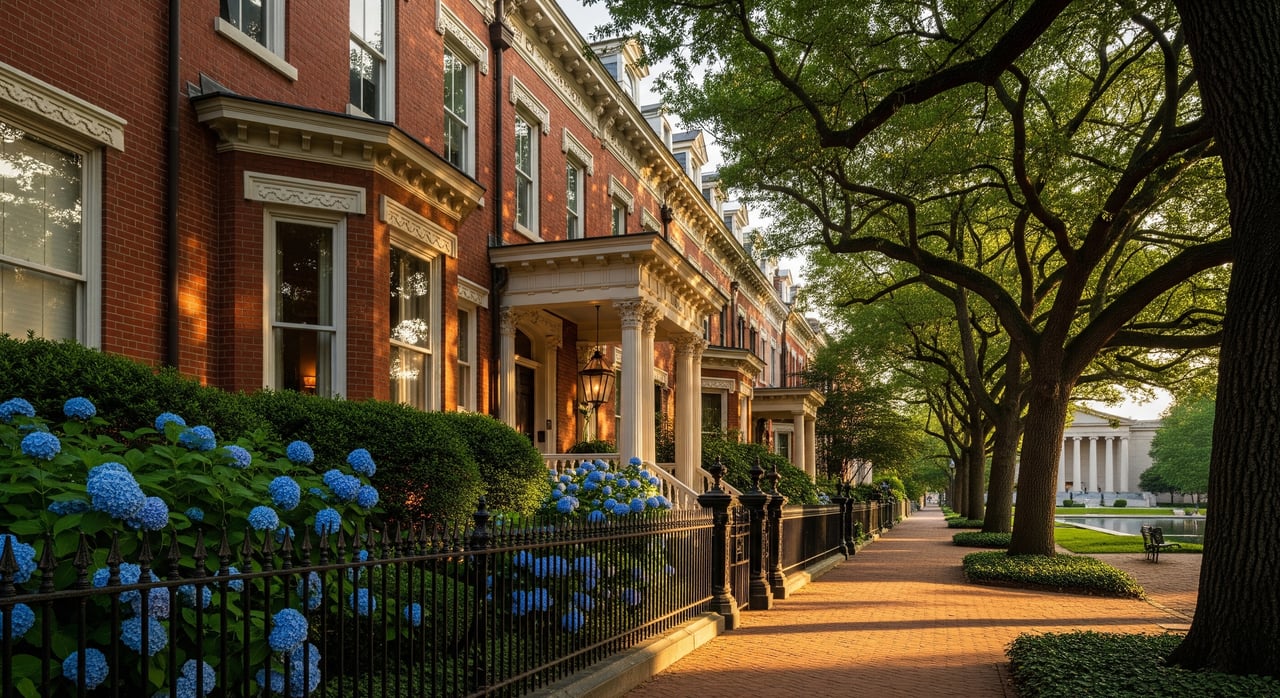
If you picture tree-lined streets, brick stoops, and a world-class art museum a short walk away, Richmond’s Fan and Museum Districts may be exactly what you have in mind. Whether you are relocating or trading more space for more life within reach, you want the real story on daily living, housing styles, and renovation realities. This guide gives you a clear, local view so you can decide if these central neighborhoods fit your lifestyle and budget. Let’s dive in.
Fan vs. Museum District at a glance
The Fan and the Museum District sit just west of downtown along Broad Street, within about two miles of major employers like VCU, state offices, and downtown businesses. Both offer a classic, low-rise urban fabric with sidewalks, street parking, and tree canopy. You will find a mix of quiet residential blocks and busier corridors near Broad Street and Carytown. The result is a walkable, city-centered lifestyle with strong neighborhood identity.
Architecture and streetscapes
The Fan’s signature rowhouses
The Fan is known for late 19th and early 20th century rowhouses and closely spaced historic homes. Expect brick or painted-brick facades, narrow front stoops, bay windows, porches, and decorative cornices. Styles blend Italianate, Queen Anne influences, Colonial Revival details, and late Victorian townhouses. Many blocks are two to four stories, with rear alleys and occasional garages.
Museum District variety
The Museum District offers more architectural diversity. You will see bungalow and Craftsman cottages, Colonial Revival single-family homes, small apartment and condo buildings, and pockets of rowhouses near Carytown and Broad Street. Lot sizes are modest, but the streetscape remains leafy and human-scaled.
Historic status and design review
The Fan is listed on the National Register of Historic Places and is covered by local historic preservation rules for many exterior changes. Parts of the Museum District also have design guidelines depending on local overlays. If you plan exterior updates, expect a review process that protects neighborhood character.
Daily life and getting around
Walkability and biking
Both neighborhoods are highly walkable. Coffee, corner markets, neighborhood pharmacies, restaurants, and the Virginia Museum of Fine Arts are often a short stroll away. Biking is common for short commutes, and you will find some bike-friendly streets. If you are new to city cycling, add lights, a helmet, and scout routes during the day first.
Transit, driving, and parking
The Broad Street corridor is served by GRTC buses, including the Pulse bus rapid transit, which connects key destinations along Broad. Many residents commute downtown by bus, bike, or a quick drive. Street parking is common, though availability varies block to block, especially near Carytown and Broad Street. Some homes have alley-access garages or converted driveways. Check City rules for overnight or permit parking if that matters to you.
Noise and activity
Urban living places you close to restaurants, nightlife, and events. You may notice more activity near Broad Street, Carytown, and event venues. Quieter residential blocks in the Fan often feel more relaxed in the early morning and late evening.
Parks, green space, and the river
You are close to a great mix of outdoor options. Maymont offers formal gardens, a historic estate, and nature and animal areas that appeal to all ages. Byrd Park features walking paths and seasonal recreation around its lakes. Monroe Park, on the edge of the Fan near VCU, adds more green space for picnics and meetups. The James River is a short drive or bike ride away for trails, boat launches, and riverfront paths.
Culture, dining, and shopping
Anchors and institutions
The Virginia Museum of Fine Arts is the cultural center of gravity for the Museum District, with free general admission, special exhibitions, and a sculpture garden. Carytown, adjacent to the Museum District, is a beloved shopping and dining corridor with independent boutiques, specialty food shops, and the historic Byrd Theatre. Smaller galleries and performance spaces dot Broad Street and surrounding blocks.
Everyday convenience and the food scene
The Fan offers corner cafés, neighborhood markets, and long-standing restaurants that make errands and meals simple without getting in the car. Dining ranges from casual to chef-driven, with a reliable brunch and coffee culture. Festivals and street events, including annual gatherings in and around Carytown, add seasonal energy and local flavor.
Housing types and what to expect
The Fan: classic rowhouses and more
Most homes in the Fan are historic rowhouses, townhouses, and duplexes, with some condominiums and small apartment buildings mixed in. Interiors often blend modern updates with preserved historic details. If you value character, this is a strong fit.
The Museum District: single-family mix
The Museum District includes single-family homes such as bungalows, Craftsman cottages, and Colonial Revival styles, plus smaller apartment and condo buildings. You will also see early 20th century homes and some townhouse conversions. The variety gives buyers more layout options while keeping the neighborhood feel.
Market position and price context
Both neighborhoods generally sit above Richmond’s citywide median home price due to location, historic character, and demand for walkable living. Prices vary widely by size, condition, block, and renovation level. Smaller condos and studios near Broad and Carytown can be accessible entry points, while larger single-family homes and fully renovated rowhouses command premiums. A steady rental market exists thanks to proximity to VCU and downtown job centers.
Renovation and historic-district basics
What typically requires approval
If your home lies within a local historic district, exterior changes and additions often require review by the City’s preservation staff or board. The Museum District has areas with similar rules depending on overlays. Plan for timelines and approvals when you budget and schedule projects.
Common renovation considerations
Older homes can have aging electrical, plumbing, HVAC systems, or foundation concerns. Historic windows and insulation may require specialized attention. Home inspections are essential. Factor in maintenance costs and seek contractors experienced with historic materials.
Insurance, flood checks, and resale
Insurance for older homes can differ by carrier. Ask about coverage for historic features and systems. Check flood zones if a property sits near low-lying areas. Well-maintained homes in central, walkable neighborhoods tend to hold strong buyer interest over time, though appreciation always follows market cycles and upkeep.
Who these neighborhoods fit
Urban-oriented buyers who value walkability, historic charm, and short commutes will likely feel at home here. Professionals, couples, small households, and empty-nesters often choose these districts for lifestyle and culture. Families should look closely at yard size, storage, and parking, and verify public school zones and options that meet their needs. If you prefer a larger yard and turnkey off-street parking, you might compare other neighborhoods as well.
Pros and cons at a glance
Pros
- High walkability with cafés, restaurants, and culture close by
- Rich architectural character and historic streetscapes
- Quick access to downtown, VCU, and major roads
- Parks, Maymont, Byrd Park, and the James River nearby
Potential trade-offs
- Parking can be limited near busy corridors
- Some homes need system upgrades and ongoing maintenance
- Historic district rules add steps to exterior projects
- Urban noise and event traffic near hotspots
A day in the life
Young professional
Morning coffee at a neighborhood café, a quick bike or bus ride along Broad to work, then a late museum visit followed by dinner with friends on a Carytown patio. Weekends include river trails and a movie at the Byrd Theatre.
Small family
Playtime at Byrd Park, an afternoon at Maymont’s gardens and animal areas, and dinner at a favorite neighborhood spot. Short commutes make school pick-ups and extra activities easier to juggle.
Empty-nester
Morning stroll past rowhouses, a sculpture garden visit at the VMFA, and a leisurely lunch nearby. Evenings are for gallery openings or catching a classic film at the Byrd, all without a long drive.
Buying smart in a historic district
- Verify whether the property lies in a local historic overlay and learn what exterior work needs approval.
- Inspect major systems and budget for updates common to older homes.
- Consider your parking needs and whether an alley garage or off-street space is important.
- Check flood maps if the home is near low-lying areas.
- For families, confirm school zone details directly with official sources.
How we can help
Buying or selling in the Fan and Museum Districts rewards a balanced approach: appreciate the story a historic home tells, and execute the process with precision. Our boutique team pairs design-forward staging, professional media, and editorial storytelling with hands-on negotiation and transaction management. Whether you are purchasing a brick rowhouse or preparing a Craftsman to shine on the market, we help you plan improvements, navigate reviews, and present your home beautifully. Ready to talk through a specific property or timeline? Connect with me, Shannon Harton, soon to map your next steps!
FAQs
What is the main difference between the Fan and the Museum District?
- The Fan centers on historic rowhouses and a denser, classic streetscape, while the Museum District offers more single-family variety near the VMFA and Carytown.
How walkable are these Richmond neighborhoods for daily errands?
- Many errands are a short walk, including cafés, corner markets, restaurants, and cultural venues, with sidewalks and a compact urban grid.
What should I know about parking in the Fan and Museum District?
- Expect mostly street parking, with availability varying by block; some homes have alley garages or driveways, and permit rules can apply in certain areas.
Are there public transit options along Broad Street in Richmond?
- Yes, GRTC buses and the Pulse bus rapid transit serve Broad Street, connecting these neighborhoods to downtown and major destinations.
What renovation approvals might be required for historic Richmond homes?
- Homes within local historic overlays often need City review for exterior changes and additions; plan timelines and confirm requirements before starting.
Which parks and outdoor spaces are close to these neighborhoods?
- Maymont, Byrd Park, and Monroe Park are nearby, and the James River’s trails and boat launches are a short drive or bike ride away.
How do home prices compare to the Richmond city median in these areas?
- Homes in the Fan and Museum Districts typically sit above the citywide median due to location, character, and walkability, with values varying by size and condition.