If you keep circling the same question, you are not alone: Should you buy in Central Richmond or Southside? For many buyers, this choice has less to do with labels and more to do with how you want your days to feel. If you are weighing commute time, yard space, walkability, parking, and access to parks, this guide will help you sort the tradeoffs and decide with more confidence. Let’s dive in.
What “Central Richmond” and “Southside” really mean
In Richmond, these terms are more market shorthand than one exact line on a map. The city’s planning structure groups the north-of-river urban core into areas such as Downtown, Monroe Ward, Jackson Ward, Shockoe, Carytown, the Fan, the Museum District, and Scott’s Addition, while Southside is studied through separate small-area plans including Oak Grove, Hillside, Bellemeade, Semmes, Cowardin, and Hull.
That matters because your home search is not really about picking sides in a debate. It is about choosing between two broad living patterns: a denser, more urban routine in the core or a more residential, corridor-based routine in many Southside pockets.
How buyers actually make this choice
Most buyers do not decide based on a slogan or a neighborhood reputation. They decide by looking at a few daily-life questions: How often will you drive? How much outdoor space do you want? How important is easy parking? Do you want errands to feel spontaneous or more planned?
In simple terms, Central Richmond tends to buy you proximity, convenience, and density. Southside tends to buy you more space, greener surroundings, and a more residential feel. Once you know which tradeoff fits your life, the decision usually gets much easier.
Central Richmond for proximity and convenience
For buyers who want to stay close to downtown activity, Central Richmond often rises to the top. The city describes Main Street Station as a multi-modal gateway, and current planning around the Pulse corridor and a new downtown transfer hub points to a more transit-connected, foot-traffic-oriented urban core.
If your work, social plans, or routines pull you toward downtown, that setup can make daily life feel simpler. You may be able to shorten trips, rely less on your car in some situations, and enjoy a more connected street grid.
What day-to-day life can feel like
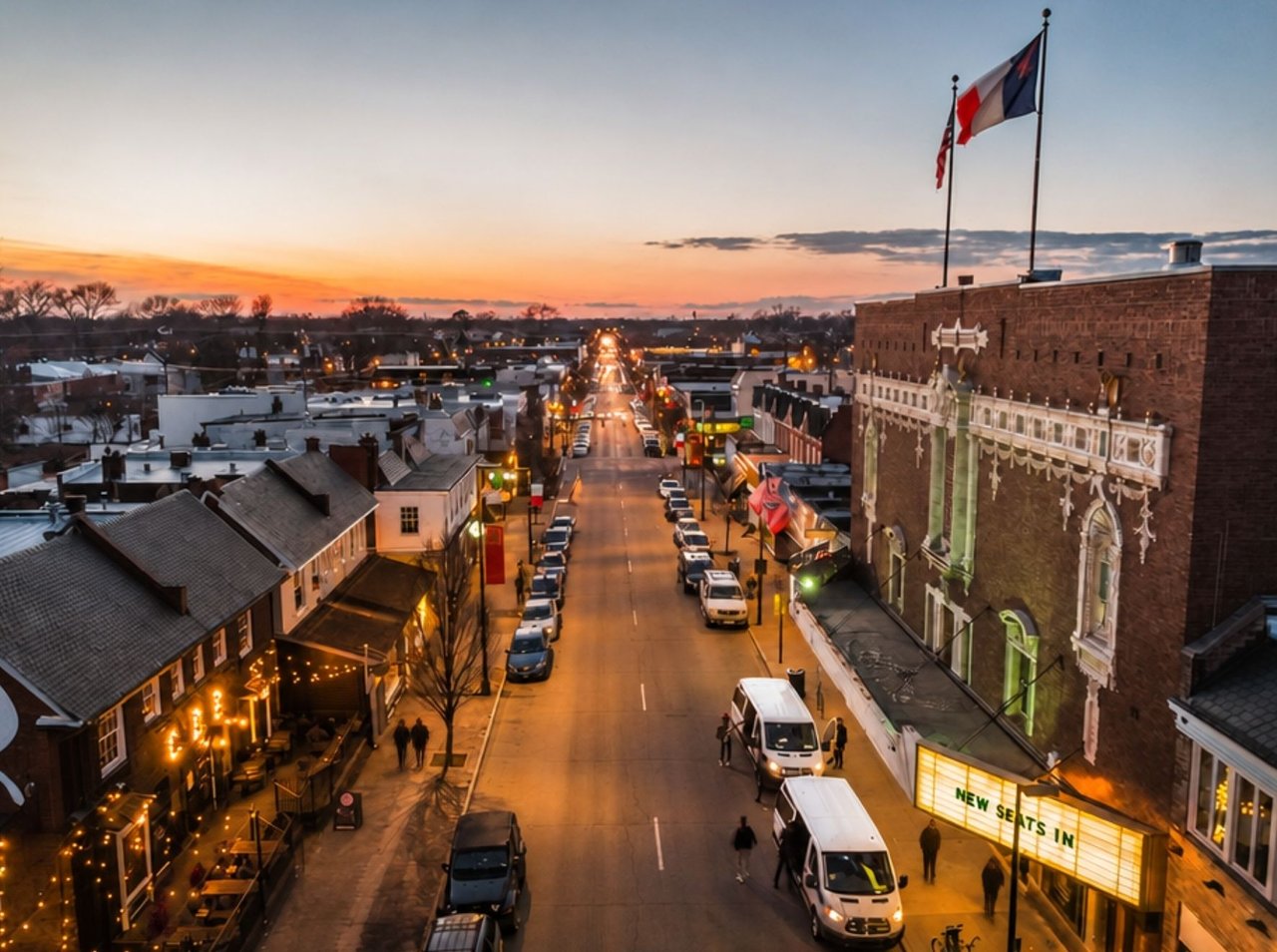
Central Richmond often works well if you like being able to stack errands into a short outing. The city highlights concentrated shopping and dining in places like Carytown, Downtown, Monroe Ward, Jackson Ward, the Arts District, Shockoe, and nearby areas, with Carytown alone noted for more than 250 shops and 25 dining establishments across nine blocks.
That kind of amenity density changes how you use your time. A coffee run, grocery stop, dinner plan, or quick errand may feel easier to fit into your day without much planning.
The tradeoff: less room and tighter parking
Urban convenience usually comes with some practical compromises. In the Fan and Museum District, the city’s 2025 pattern-book materials show a dense urban form, with many parcels nonconforming because of lot size, frontage, building height, lot coverage, or use.
Those same materials describe Museum District walk-up buildings as typically two to three stories with four to twelve units. The Fan also has restricted parking districts, which is a useful reminder that being close to everything can mean tighter parking and smaller lots.
Southside for space and a greener feel
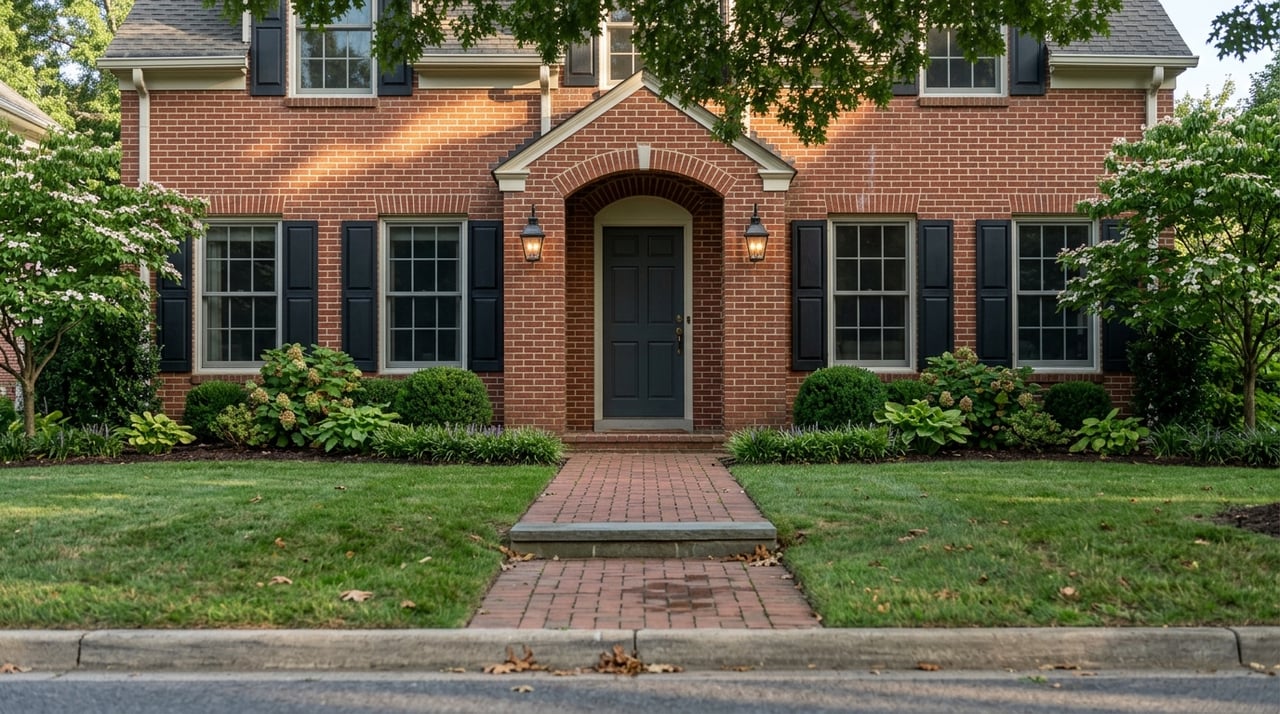
If your wish list starts with a detached home, more yard, or easier parking, Southside may feel like a stronger fit. In city planning examples from Oak Grove, detached homes appear on lots ranging from about 4,192 to 14,255 square feet, with front setbacks around 20 to 25 feet.
That housing pattern often gives you more breathing room. Depending on the block and zoning, that can translate into more outdoor space, a driveway, a garage, or more flexibility for future changes.
Why Southside feels different
In many areas, Southside has a more residential rhythm. It is often shaped by corridors rather than the tighter, mixed-use pattern that defines much of the central core.
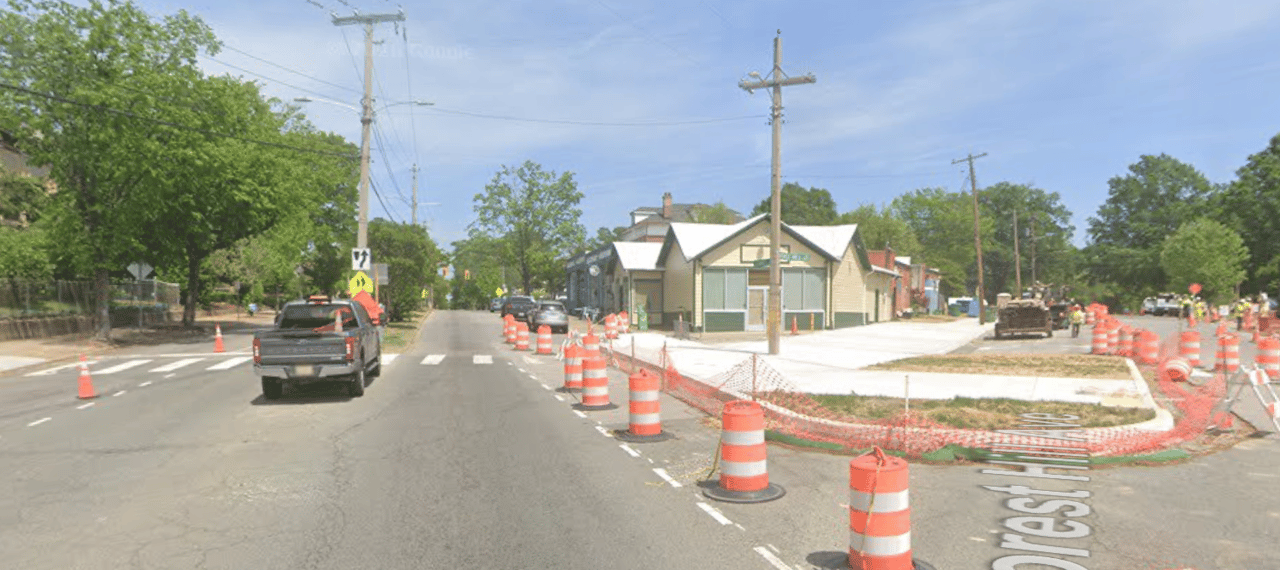
The city’s work along Hull Street points to ongoing efforts around congestion, transit amenities, pedestrian infrastructure, and safety improvements. The city’s zoning rewrite also aims to create neighborhoods that are less car-centric and more walkable, which suggests some Southside areas are still evolving toward that model rather than already operating like the urban core.
Parks and outdoor access stand out
For buyers who want nature to be part of everyday life, Southside has a strong case. The James River Park System runs along both sides of the river, but on the Southside the city highlights places like Forest Hill Park, Pony Pasture Rapids Park, Huguenot Flatwater Park, and Powhite Park, with features such as woodlands, hills, streams, fishing, and mountain biking.
If your ideal weekend includes trails, water access, or a quieter outdoor setting, Southside may line up better with that lifestyle. It often feels like the greener edge of the city, especially when paired with detached-home blocks and more yard space.
Commute and mobility matter more than buyers expect
One of the biggest decision points is not style. It is motion. How you move through Richmond each day often ends up shaping how happy you feel in a home.
Central Richmond generally works best if you want shorter practical access to downtown and stronger transit connections. Southside can absolutely work for many buyers, but in a number of pockets you may find yourself driving more often for errands, appointments, and routine stops.
If you want a less car-dependent routine
Central Richmond is usually the easier answer. Between the city’s transit planning, mixed-use activity, and denser street network, the core is being organized around a more connected daily routine.
That does not mean every trip is walkable or that every block feels the same. It means the overall pattern supports shorter hops and more choices in how you get around.
If you do not mind driving more often
Southside may be worth the trade. If extra square footage, a larger lot, or easier parking matters more than quick walkable errands, driving a bit more may feel like a fair exchange.
For many buyers, that is exactly the right balance. You are not choosing a lesser option. You are choosing a different daily rhythm.
Amenities are denser in the core
When buyers say a neighborhood feels “easy,” they are usually talking about nearby essentials. Central Richmond often wins this category because shopping, dining, and service destinations are clustered more tightly.
The city’s market materials also point to multiple grocery options near the core. That kind of convenience can make a big difference if you value quick errands and last-minute plans.
Southside amenities can vary by pocket
Southside is not one single experience. Some areas are improving, and some still have more limited retail and service access.
For example, the Oak Grove, Hillside, and Bellemeade plan says the area is underserved by basic retail and services and relies heavily on convenience-store options and trips outside the neighborhood for groceries and pharmacies. At the same time, the city is working to strengthen places like Southside Plaza and improve neighborhood centers in areas such as Semmes, Cowardin, and Hull.
Closer-in Southside may offer a middle ground
If you like the idea of more space but do not want to give up too much convenience, closer-in Southside nodes deserve a closer look. City planning efforts in Oak Grove, Hillside, Bellemeade, Semmes, Cowardin, and Hull are focused on mixed use, safer walking and biking connections, stronger neighborhood centers, and improved retail access.
For some buyers, this is the sweet spot. You may be able to get a more residential setting while staying connected to future improvements that could narrow the gap between convenience and space over time.
A simple framework for your decision
If you feel stuck, try ranking these priorities from most important to least important:
- Short commute to downtown
- Walkable errands and dining
- Detached home
- Yard space
- Easy parking
- Trail and park access
- Less driving day to day
- More residential setting
If your top priorities are commute, convenience, and walkability, Central Richmond will likely feel more natural. If your top priorities are space, greenery, and a quieter residential pattern, Southside may be the better match.
The best choice depends on your real routine
The right answer is rarely about which side is “better.” It is about which side fits the way you actually live. A beautiful house will not feel convenient if your routine depends on quick access to downtown. A central address may not feel right either if what you really want is a yard, easier parking, and a greener setting.
The smartest buyers in Richmond usually decide by matching location to habits, not hype. When you do that, the choice between Central Richmond and Southside becomes much more practical and much less overwhelming.
If you want help narrowing the search based on your commute, lifestyle, and must-haves, Shannon Harton can help you compare Richmond options with a clear, personalized strategy.
FAQs
What does Central Richmond usually include for home buyers?
- Central Richmond generally refers to the north-of-river urban core, including areas such as Downtown, Monroe Ward, Jackson Ward, Shockoe, Carytown, the Fan, the Museum District, Scott’s Addition, and nearby neighborhoods.
What is the main difference between Central Richmond and Southside?
- For most buyers, Central Richmond offers more proximity, density, and convenience, while Southside often offers more space, greenery, and a more residential feel.
Is Central Richmond better for commuting to downtown Richmond?
- In general, yes. City planning around Main Street Station, the Pulse corridor, and a future downtown transfer hub points to stronger transit and access connections in the urban core.
Does Southside usually offer larger lots than Central Richmond?
- In many cases, yes. City planning examples in Oak Grove show detached homes on lots ranging from about 4,192 to 14,255 square feet, which is a different pattern from the denser core neighborhoods.
Which area feels more walkable for everyday errands in Richmond?
- Central Richmond usually has the edge because shopping, dining, and services are clustered more closely in the core, especially in places like Carytown and Downtown.
Are there parts of Southside that could appeal to buyers who still want convenience?
- Yes. Closer-in Southside areas such as Oak Grove, Hillside, Bellemeade, Semmes, Cowardin, and Hull are part of city planning efforts aimed at adding mixed use, stronger neighborhood centers, and safer walking and biking connections.